
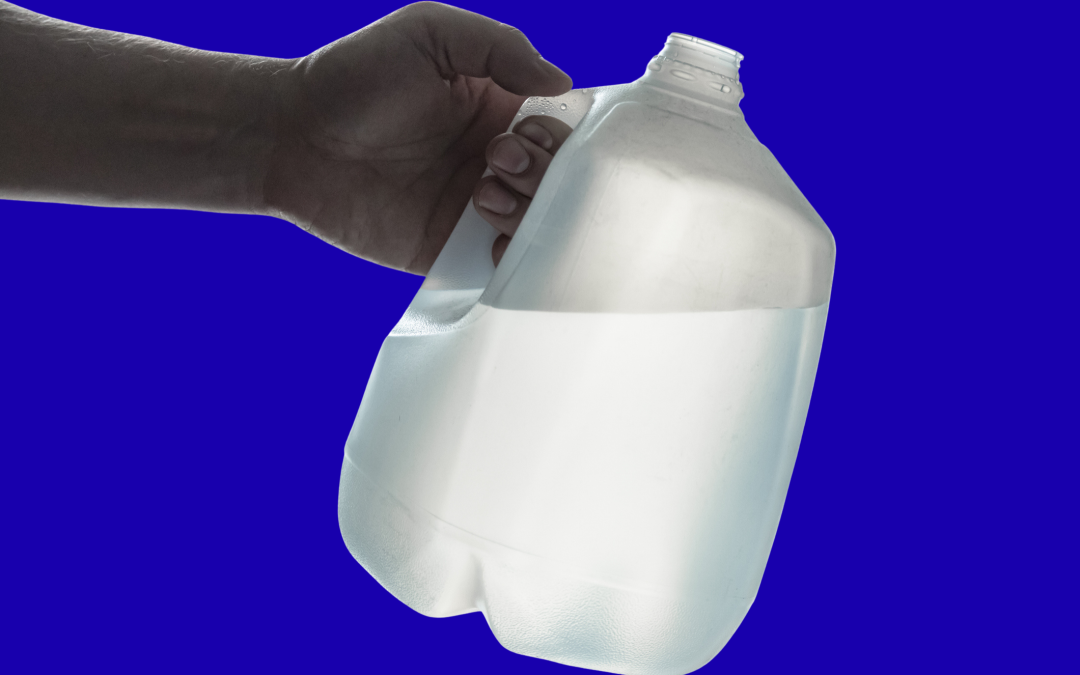
Water is essential for life, yet the quality of the water we drink is often overlooked. While many assume that tap water and common filtration systems provide “clean” water, the reality is far more complex. Increasing evidence suggests that water purity — not just hydration — plays an important role in long-term health.
The Hidden Chemical Burden in Drinking Water
According to data associated with the U.S. Environmental Protection Agency (EPA), tens of thousands of industrial and environmental chemicals are registered for use in the United States. Only a relatively small fraction of these substances are routinely monitored or regulated in public drinking water.
Even more concerning:
- Most standard water tests check for a limited panel of known contaminants
- Many emerging chemicals, pharmaceutical residues, endocrine disruptors, and industrial byproducts are not routinely tested
- Common household water filters are designed to remove only specific contaminants, not the full spectrum of potential toxins
As a result, many people are unknowingly exposed to low levels of chemicals every day—levels that may accumulate over time and contribute to toxic burden, inflammation, hormonal disruption, and chronic illness.
Why Distilled Water Is Different
Distilled water is produced through a process of boiling water into steam and then condensing it back into liquid, leaving behind nearly all dissolved substances.
This process removes:
- Heavy metals (lead, mercury, arsenic)
- Chemical residues and industrial pollutants
- Pharmaceutical traces
- Microorganisms such as bacteria, viruses, and parasites
- Volatile organic compounds (VOCs)
Distillation produces one of the purest forms of water available, consistently removing the vast majority of contaminants that may pass through conventional filters or reverse-osmosis systems — especially as those systems lose efficiency over time.
Unlike filters, distillers do not degrade gradually. Their effectiveness remains consistent with proper maintenance.
Does Distilled Water “Rob the Body of Minerals”?
One of the most common myths about distilled water is that it strips the body of essential minerals. In reality, this concern is largely misunderstood.
Key points to understand:
- The body is designed to obtain minerals from food, not water
- Minerals in water are typically inorganic and not carbon-bonded, making them poorly utilized by the body
- In contrast, minerals in food are organically bound, plant-derived, and biologically active
A helpful analogy: Drinking mineralized water is like consuming iron from a pipe. Eating spinach is like consuming iron in its natural, usable form. As long as you follow a balanced, nutrient-dense diet, drinking distilled water does not lead to mineral deficiency.
Mineral Quality Matters More Than Mineral Quantity
Many minerals found in water are present in forms that may:
- Be poorly absorbed
- Compete with nutrient uptake
- Contribute to toxicity rather than nourishment
Food-derived minerals — found in vegetables, fruits, legumes, nuts, seeds, and quality proteins — are superior in every way when it comes to supporting cellular health.
Reducing Toxic Load Supports Better Health
Chronic exposure to environmental toxins has been strongly associated with:
- Fatigue and brain fog
- Hormonal imbalance
- Immune dysfunction
- Digestive issues
- Inflammatory and metabolic disorders
By choosing distilled water, you reduce one of the most constant sources of daily exposure, helping prevent the gradual accumulation of toxins that can interfere with nutrient absorption and cellular function.
The Bottom Line
- Distilled water provides exceptional purity
- It consistently removes contaminants that many filters miss
- It does not deplete essential minerals when paired with proper nutrition
- It helps reduce toxic burden, supporting long-term health
Water should hydrate and cleanse — not contribute to your toxic load. When purity matters, distilled water stands apart.