
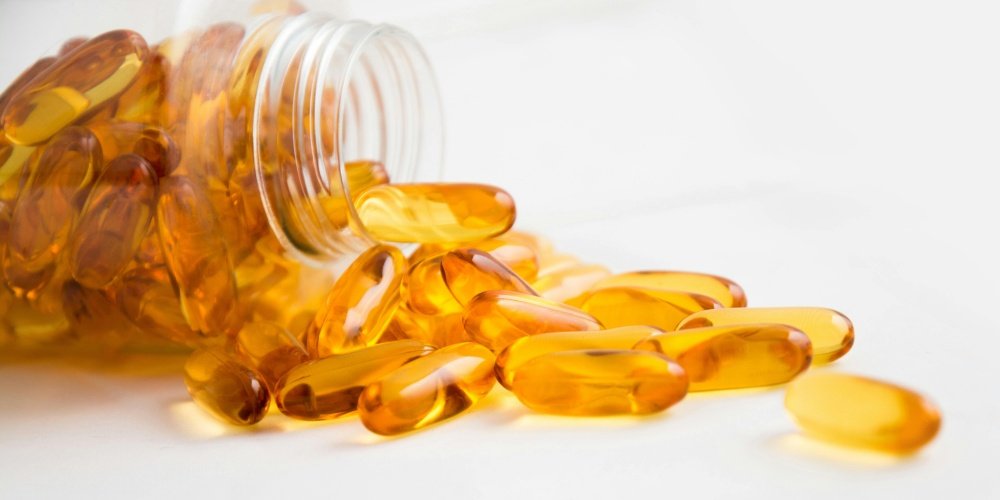
Omega-3 fatty acids—particularly EPA and DHA—are celebrated for their anti-inflammatory benefits and cardiovascular protection. However, if your Omega-3 supplement has been exposed to heat or stored improperly, it may no longer be helping your health. In fact, it could be doing the opposite.
Why Omega-3s Go Rancid
Omega-3 oils are highly unsaturated, which makes them extremely vulnerable to oxidation. Exposure to high temperatures, light, and air can quickly cause these oils to degrade. If your fish oil capsules have been sitting in a hot room, or stored near a stove or sunny window, chances are they’ve gone rancid.
Signs of Rancid Omega-3
- A strong fishy or sour smell
- Unpleasant taste or “fish burps”
- A bottle that has been open for months and stored at room temperature
- No expiration or “freshness tested” label on the bottle
The Hidden Danger: Inflammation
Instead of reducing inflammation, rancid Omega-3s can increase oxidative stress and free radical damage—the very things they’re supposed to fight. This can worsen inflammation, harm cell membranes, and contribute to chronic disease risk.
How to Protect Yourself
- Smell your supplements: A foul odor means it’s time to toss them.
- Buy from trusted brands that third-party test for oxidation levels.
- Store in a cool place or refrigerate after opening.
- Choose capsules in dark bottles or blister packs to limit light exposure.
- Opt for high-quality triglyceride-form Omega-3s, which are more stable and better absorbed.
Final Thought: Omega-3s can be a powerful ally in your health journey, but only if they’re fresh and properly stored. Don’t let a rancid supplement sabotage your wellness goals.
For recommendations on pharmaceutical-grade Omega-3 supplements and proper storage tips, visit Towne Lake Family Pharmacy and speak with our functional medicine expert.